The Ultimate Guide to Wedding Photography and Videography Services
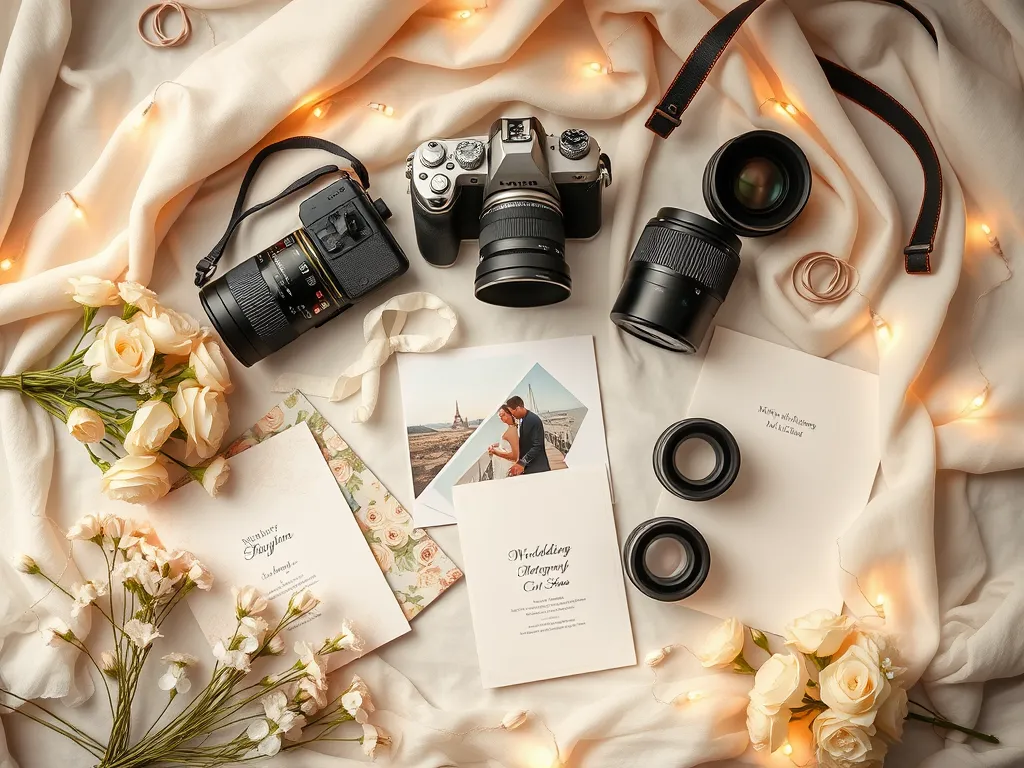
Wedding Photography and Videography Services: Capturing Your Special Day
Wedding Photography and Videography Services play a vital role in documenting one of the most important days in a couple's life. These services encompass the art of capturing the fleeting moments, emotions, and highlights of wedding ceremonies and receptions. With professional photographers and videographers at work, couples can relish their special day while ensuring that every significant moment is preserved for years to come.
Today's Wedding Photography and Videography Services offer a range of styles and packages tailored to meet diverse preferences and budgets. Some couples may seek traditional posed portraits, while others may prefer candid shots that capture the essence of joy and intimacy. On the videography side, options such as cinematic films or documentary-style recordings provide couples many ways to relive their wedding day, including hearing their vows and the heartfelt speeches of loved ones.
In an ever-evolving industry, Wedding Photography and Videography Services have adapted to embrace new technology and trends. Drones, for instance, are becoming increasingly common in wedding videography, allowing for breathtaking aerial shots that showcase the venue and setting. Additionally, live streaming services have gained popularity, enabling couples to include friends and family members who cannot attend in person, ensuring that no one misses out on the celebration.
Capturing the essence of your special day is crucial, making professional Wedding Photography and Videography Services an essential choice.
When it comes to securing Wedding Photography and Videography Services, finding the right professionals is crucial. Couples should do their research, read reviews, compare portfolios, and meet potential photographers and videographers to discuss their styles and vision. Communication is key, as it is essential that the chosen professionals understand the couple's preferences and expectations for the wedding day.
Ultimately, the combination of skilled photography and videography services provides couples with comprehensive coverage of their wedding day. From the emotional preparations to the thrilling celebration, every detail can be captured and cherished. In the years to come, couples will look back on their wedding photos and videos, reliving the joy and love that filled that special day.
Types of Wedding Photography Styles
Traditional Wedding Photography Style focuses on posed group shots and classic portraiture. This style often includes family portraits, wedding party arrangements, and formal poses of the couple. It is perfect for those who want timeless images that highlight the elegance and formality of the occasion.
Documentary Wedding Photography captures the day as it unfolds, often called photojournalistic photography. Photographers blend into the background, focusing on candid moments, emotional expressions, and spontaneous events as they happen. This style tells the story of the day through authentic moments, creating a narrative that the couple can revisit for years to come.
Fine Art Wedding Photography blends artistic vision with traditional techniques. Photographers often emphasize aesthetics, composition, and use of light to create stunning and unique images. This style is suitable for couples who appreciate art and want their wedding photos to reflect their individuality and style.
Candid Wedding Photography captures the natural flow of the day without staging or prompting subjects. Photographers focus on genuine interactions among guests, laughter, and emotions, producing images that evoke real feelings. This style is perfect for couples who value authenticity and wish to document the genuine atmosphere of their wedding day.
Aerial Wedding Photography employs drone technology to capture breathtaking overhead shots of the venue and guests. This style adds a unique perspective to a couple's wedding album, showcasing the surroundings and creating stunning visuals that are often unattainable with traditional photography methods.
Choosing the Right Wedding Videographer
When choosing a wedding videographer, it is essential to ask several key questions. Inquire about their experience with weddings, the packages they offer, and their approach to editing. Understanding their timeline for delivery and what is included in the final product will help couples make an informed decision.
Understanding different videography styles is crucial in selecting the right wedding videographer. Couples should explore options like documentary, cinematic, and highlight reel styles to determine which resonates most with their vision. Each approach varies in storytelling and presentation, so clarity on preferences is vital.
Reviewing wedding videography portfolios is an important step in the selection process. Couples should look for consistency in storytelling, creativity, and technical skills in the highlighted work. Watching full-length videos and highlights can also give couples insight into how the videographer captures key moments and emotions.
Budgeting for wedding videography is essential to ensure that couples receive quality service within their means. Couples should discuss their budget upfront with potential videographers and prioritize what is most important—such as full coverage, editing, or additional features—to stay within financial limits.
Lastly, meeting the videographer before the wedding is crucial. A pre-wedding consultation allows couples to discuss their vision, preferences, and details about the day. This interaction also helps to establish rapport and comfort, which is essential for capturing genuine moments on wedding day.
Trends in Wedding Photography and Videography
Emerging trends in wedding photography include the use of unique locations, blending in other styles such as fashion photography, and using dramatic lighting effects. Couples are exploring their creativity by opting for less traditional backdrops and incorporating elements that reflect personal stories into their wedding photos.
Innovative videography techniques, such as slow-motion footage and time-lapse sequences, are becoming increasingly popular. These methods provide dynamic and engaging content that enhances wedding films, making them more cinematic and memorable. Couples can expect creative storytelling and innovative angles from their wedding videographers.
Using drones for wedding videos is transforming how couples document their big day. Aerial footage provides breathtaking views of venues, receptions, and larger gatherings, creating a unique narrative style that traditional ground photography cannot match. Couples should consider this option for a distinctive touch in their wedding documentation.
The rise of live streaming weddings has made it easier for couples to include loved ones who cannot attend in person. By offering remote access to the ceremony and reception, couples can ensure that friends and family worldwide can participate in the celebration, enhancing the inclusivity of the event.
Post-production trends in wedding films are evolving as editing technology advances, allowing for creative transitions, color grading, and layered storytelling. Couples can expect more polished and professionally crafted wedding videos that reflect their love story uniquely and artistically.
Essential Gear for Wedding Photographers
Must-have cameras for wedding photography typically include professional-grade DSLRs or mirrorless cameras capable of shooting in various lighting conditions. Popular models include Canon EOS 5D Mark IV, Nikon D850, and Sony Alpha a7 III. These cameras provide the quality and versatility required for capturing stunning wedding images.
Lenses for different wedding photography styles are essential to achieve particular aesthetics. A standard zoom lens (24-70mm) is versatile for various situations, while prime lenses (such as 50mm or 85mm) are excellent for portraits and low-light conditions. Wide-angle lenses (16-35mm) are perfect for large group shots or capturing expansive venues.
Lighting equipment for indoor weddings is crucial to ensure consistently well-lit photographs. Photographers often use speedlights, softboxes, or continuous lights to provide adequate illumination, especially in dimly lit venues. Off-camera lighting techniques can create dynamic and beautiful images, capturing details of the ceremony and reception.
Audio equipment for wedding videography is essential for capturing vows, speeches, and live music. Wireless microphones allow for clear recording of sound from the couple and officiant, while audio recorders can capture background noise and ambiance to create an immersive experience in wedding films.
Editing software for wedding photography and videography includes tools such as Adobe Lightroom and Premiere Pro. These programs allow photographers and videographers to enhance images and arrange footage, ensuring cohesiveness and professionalism in the final product. A well-edited wedding album or video can make a significant difference in how the day is remembered.
Planning Your Wedding Photography Timeline
Creating a shot list for the wedding day is an essential aspect of planning for both photographers and couples. By identifying key moments, family groupings, and specific shots desired, couples can communicate their expectations clearly, allowing photographers to prioritize time during the event.
Understanding the wedding day timeline helps photographers know when to be prepared for specific moments. A coordinated schedule can assist in capturing preparations, the ceremony, couple portraits, and reception events without any stress, ensuring no important moments are missed.
The best time of day for wedding photos often falls during the golden hour, shortly before sunset. At this time, natural light creates a beautiful soft glow, enhancing images with warmth. Couples should discuss the photography timeline with their photographer to ensure they maximize this opportunity.
Coordinating with wedding planners and venues is key to a successful photography experience. Clear communication regarding access, timing, and locations can facilitate seamless coverage of the day, allowing photographers to capture moments without interruptions or delays.
Capturing key moments during the ceremony is crucial to documenting the day. Photographers typically focus on the couple exchanging vows, special rituals, and candid reactions from guests. A well-prepared timeline helps ensure that these moments are prioritized, preserving the emotional essence of the ceremony.